Inside the Pong Cabinet
TL;DR: Return every ball past the computer paddle and reach 7 points first. Expect simple rules, sneaky angles at a pace that's rally speed climbs every hit.
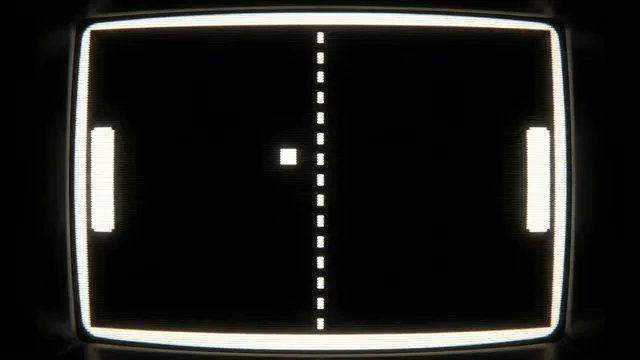
Pong is where the whole arcade began: two paddles, one square ball, and a dotted line down the middle of history. You take one side, the computer takes the other, and the first to 7 points owns the table.
Every return is a decision, because the ball leaves your paddle at an angle you choose - catch it near the tip and it screams away steep and nasty; block it with the middle and it travels back flat and safe. The rally gains speed with every hit, so a long point slowly turns into a genuine duel of nerves.
Our version recreates the clean 1972 look, hands you mouse, arrow-key, and touch-drag control, and tunes the computer to punish lazy returns without ever being unbeatable. When you want a truly fair fight, play the daily seeded match and see where your result lands on the leaderboard.
Cabinet Specs
| Mission | Return every ball past the computer paddle and reach 7 points first. |
|---|---|
| Row | Arcade Classics |
| Skill curve | Simple rules, sneaky angles |
| Tempo | Rally speed climbs every hit |
| Lineage | 1972 (Atari) |
| Original | Pong - Atari, 1972 (full history) |
| Daily run | Seeded challenge, resets midnight UTC |
| Scoreboard | Global top 50, score-ranked |
Learn Pong in Five Moves
Serve to open the point
Press Space, click, or tap to put the ball in play. It crosses the center line toward one side, and the rally is live the moment it moves.
Ride your paddle up and down
Control your paddle with the mouse, the up and down arrow keys, or a finger drag on mobile. It moves only vertically, so positioning early beats reacting late.
Pick your angle at contact
The spot where the ball meets your paddle decides its exit angle. The tips send it off steep and fast to reach; the center returns it flat. Defense and offense happen in the same touch.
Hang on as the rally accelerates
Every successful return adds a little speed to the ball. Long rallies get genuinely quick, and the player who keeps their cool at top speed usually takes the point.
Reach 7 points to win
You score whenever the ball slips past the computer's paddle; it scores when the ball gets past yours. First side to 7 points takes the match.
Score Higher at Pong
Return with the paddle tip whenever you safely can. A steep-angled shot forces the computer paddle to travel the longest possible distance, and angle wins far more points in Pong than raw speed does.
- Recenter after every return. Parking your paddle at mid-court means neither corner is ever more than half the screen away, so no reply can catch you hopelessly out of position.
- Alternate your corners. Sending two shots to the same spot lets the computer camp there; pulling it top, then bottom, stretches its travel and opens the gap your winner slips through.
- Aim behind the opponent's movement. The best target is the corner the computer paddle is currently leaving, because reversing direction costs it more time than any straight chase.
- Go safe when the rally gets hot. At high speed, an edge hit you mistime becomes a whiff and a free point - Flat center returns keep you alive until a clean opening appears.
- Read the angle off the far paddle instantly. The ball's path is a straight line, so the moment it leaves the computer's side you can know where it will cross yours - Move then, not later.
- Treat the serve as your first shot. Meet it with a deliberate paddle position instead of just blocking it back, and you start the rally on offense instead of spending the whole point reacting.
House Rules & Spin-Offs
Pong Doubles
Atari's 1973 four-player table put two paddles on each side - The world's first co-op video game, and the first argument about whose fault the miss was.
Quadrapong
The 1974 cabinet turned the court into an arena: four players, four walls, everyone defending their own goal at once.
Home Pong
The 1975 living-room console sold through Sears under the Tele-Games name. It was the Christmas hit of the year and the spark of the home console industry.
Rebound
Atari's 1974 volleyball spin - The ball arcs over a net under gravity, trading Pong's flat geometry for lobs and spikes.
Pong Questions, Answered
How do I win a game of Pong?
How does the return angle work?
Why do rallies keep speeding up?
Can the computer be beaten consistently?
Was Pong the first video game ever?
Is the story about the broken Pong machine true?
Is the daily Pong match the same for every player?
Can I play Pong on a touchscreen?
More where Pong came from: work through the arcade classics row, brush up in the arcade glossary, or settle score questions in the player FAQ. Guide last tuned 2026-07-19.