Quick take: Memory Flip is our tribute to Concentration, the card-matching game - also known as Memory or Pairs - that Ravensburger turned into a worldwide classic with its 1959 Memory set.
Memory Flip is our tribute to Concentration, the card-matching game - also known as Memory or Pairs - that Ravensburger turned into a worldwide classic with its 1959 Memory set. The rules could not be simpler: lay every card face down, flip two at a time and try to remember where each picture hides until you can pair them off.
Backed by a long-running television game show of the same name, it grew from a parlor pastime into one of the most universally understood games there is.
Concentration Fast Facts
| Original title | Concentration (also Memory or Pairs) |
|---|---|
| Debuted | 1959, Ravensburger's Memory |
| Created by | Ravensburger (popularizer) |
| Genre | Card-matching memory game |
| Also known for | The long-running Concentration TV show |
| Core rule | Flip two cards, match the pair, keep it |
| Our tribute | Memory Flip |
Why Concentration Mattered
- Popularized by Ravensburger, whose 1959 Memory set turned an old parlor game into a global household name.
- Known by many names - Concentration, Memory and Pairs - a sign of how widely and independently it spread.
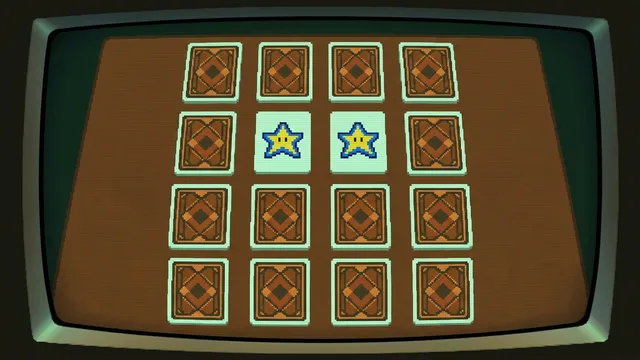
- Runs on the simplest possible loop: every card lies face down, you turn two per turn and keep any pair you can match.
- Rewards pure recall, making it a favorite teaching tool for young children learning to focus and remember.
- Reached a huge audience through the long-running Concentration television game show, which paired matching with a hidden rebus puzzle.
- Scales effortlessly, playing just as well with a handful of cards for toddlers as with a full grid for a real memory challenge.
Concentration Timeline
| Year | Milestone |
|---|---|
| 1959 | Ravensburger releases its Memory set, popularizing the card-matching game worldwide. |
| 1958 | The Concentration television game show begins its decades-long run in the US. |
| 1960s | Themed decks turn the matching game into a staple of children's toy shelves. |
| 1980s | Video and computer versions bring the flip-and-match loop to home screens. |
| 2000s | Browser and mobile Memory games make the format a default casual pastime. |
Why Concentration Still Matters
Decades on, the game endures because remembering where things hide is a test that never ages. Memory Flip keeps the original's face-down grid and flip-two-and-match rule, and adds a daily seeded layout that every player shares plus a global leaderboard, so the only question left is the same one the tabletop asked in 1959: how sharp is your memory?