| In one line | The delay between pressing a button and the game responding on screen. |
|---|---|
| Spotted in | Reflex Duel, Key Rush, Flappy Jet |
| Related ideas | Frame, Twitch gameplay |
The Full Story
Input lag is the time between your finger pressing a button and the result appearing on screen. It is measured in milliseconds and built from many small delays: the controller, the game loop, the display. Under about 50ms most players feel nothing; past 100ms a twitch game starts feeling like steering a boat.
Arcade cabinets were famously responsive because everything was wired for one purpose. Modern browser games fight for the same feel by updating logic at 60 frames per second and drawing immediately, which is exactly how the machines on this site are built.
You will feel the concept most in twitch machines: a Reflex Duel draw or a Key Rush streak is effectively a contest between your reaction time and the input chain. If a run feels off, close background tabs; the lag is usually local.
Heard on the Arcade Floor
“That miss wasn't me - Someone's video call added 80ms of input lag to my best Key Rush run.”
Where You'll Feel Input lag on This Floor
Reading about input lag only goes so far; Reflex Duel and 2 other machines here run on it:
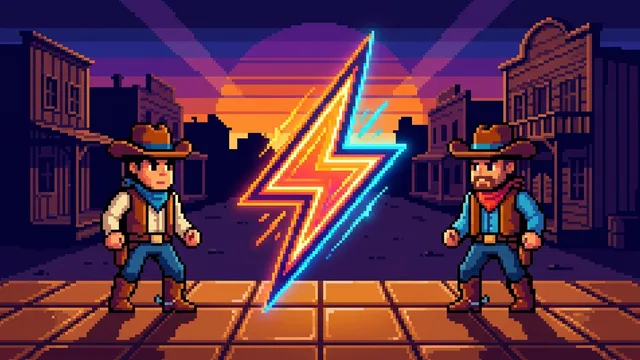
- Reflex Duel (ten rounds against the fastest gun in silicon) - wait for the signal, then react faster than the machine across ten duels, with input lag doing quiet work underneath.
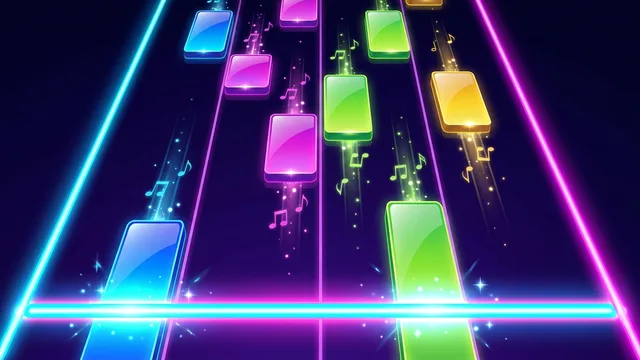
- Key Rush (four lanes of falling keys - miss one and the music stops) - tap the falling tiles in the right lane before they cross the line, where input lag shows up on every single run.
- Flappy Jet (tap to climb, breathe to crash) - tap to keep your jet airborne and thread it through every gap in the pipes, and input lag is half the battle.
Load Reflex Duel and this entry turns from vocabulary into muscle memory.