| In one line | The level where an old game's code breaks - Like Pac-Man's famous garbled level 256. |
|---|---|
| Spotted in | Maze Muncher, Block Fall |
| Related ideas | Endless / survival, High score, Difficulty curve |
The Full Story
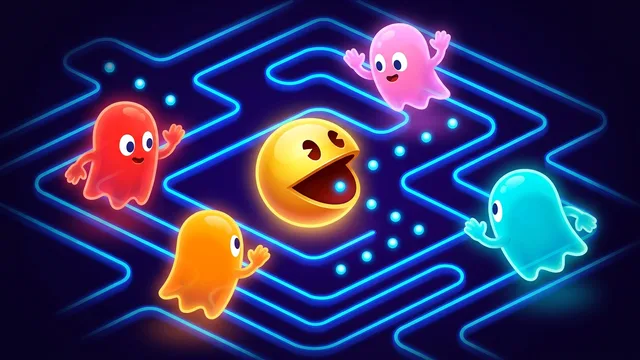
A kill screen is the level where an old game's code simply breaks. The most famous is Pac-Man's level 256, where a counter stored in a single byte overflows and half the maze dissolves into garbled symbols, making the level unwinnable. The game has no ending, but it has a wall, and the wall is a bug.
Kill screens happen because golden-age programmers never imagined anyone reaching such depths. Counters were sized for reasonable play, not for players who would practice one machine for years. When someone finally gets there, the overflow behaves in strange, sometimes beautiful ways: scrambled boards, frozen enemies, negative scores. Reaching a kill screen became the ultimate credential, proof you had outlasted the game's own imagination.
Modern code makes true kill screens rare, and this site's machines are built without byte-sized ceilings. But the legend lives on in the culture of every endless game here: somewhere past any score on any leaderboard is territory nobody has seen yet. The difference is that now the only wall waiting there is you.
Heard on the Arcade Floor
“He didn't just get the high score; he played until the kill screen, where the maze itself gives up.”
Where You'll Feel Kill screen on This Floor
Kill screen is not just vocabulary here - It is load-bearing in 2 of our machines, Maze Muncher included:
- Maze Muncher (clear the dots, dodge the ghosts, own the maze) - eat every dot in the maze while four ghosts hunt you down, and kill screen is half the battle.
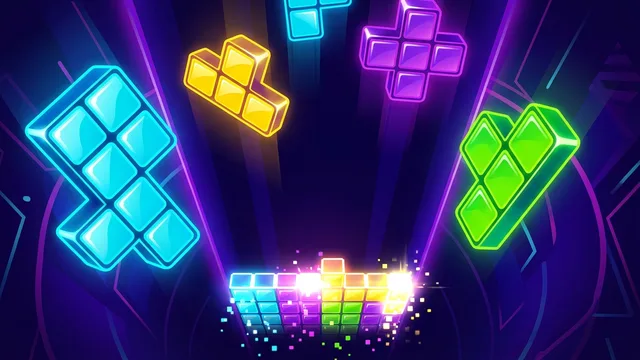
- Block Fall (seven falling shapes, one goal: clear the line) - rotate and place falling tetrominoes to complete and clear full rows, and kill screen helps decide whether you manage it.
Play Maze Muncher for five minutes and you will spot kill screen without thinking.